

Supercell has recently announced major adjustments to the tribal conflict pricing strategy, introducing a global pricing system designed to provide a more equitable game experience based on the price levels of different countries/regions. This initiative is intended to respond to long-standing demands from players for price differentials.
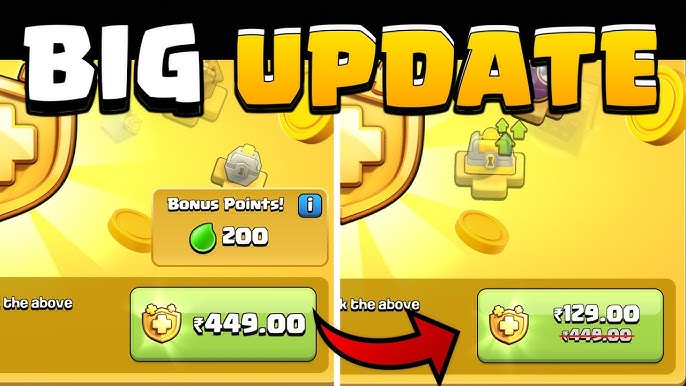
Tribal Conflict has now introduced global pricing systems in more than 100 countries and regions, covering Latin America, Africa, Eastern Europe, South-East Asia and Central Asia. According to Supercell, the new system would replace the previous global harmonized price model by linking the prices of in-house and Supercell commodities to the price levels of the countries/areas where players are located. For example, the pricing of gold and movement permits will be adjusted to local economic conditions to avoid underpriced or overpriced in some areas. Previously, uniform prices had made it difficult for some low-income players to afford, while those in high-income areas could gain advantage at lower cost, undermining equity.
To further ensure fairness, Supercell restricted the gift function of gold and activity passes by prohibiting gifts from low-priced areas to high-priced areas in order to prevent players from using price differences to gain unfair advantage. Supercell also undertook to adjust prices regularly to global economic changes to ensure long-term equity.

Newzoo data show that in 2025, there were 3,542 million global game players, 2,945 million mobile end players and an estimated income of $1889.9 billion, with 46 per cent contributions from the Asia-Pacific region. Tribal Conflict, a flagship game for Supercell, is well received by emerging market players. Global pricing adjustments corresponded to the growth of consumer capacity in emerging markets and to the demand for fair play in mature markets.
The new pricing system has significantly enhanced the accessibility of tribal conflicts. In low-income areas, lower prices for commodities such as gold permits enable more players to participate in the payment content and increase the inclusiveness of the game. In high-income areas, price adjustments avoid the unfair advantage of low-price zone players through gifts and maintain competitive balances. Supercell ‘ s periodic price adjustment mechanism further ensures that pricing is synchronized with local economic dynamics and avoids frequent fluctuations affecting player experience.

In the future, Supercell ‘ s global pricing system may be extended to other games, such as the Royal War or the Wild War, further consolidating its leadership in mobile game markets. At the same time, as cloud games and AI technologies develop, Supercell can use data analysis to optimize pricing strategies to provide a more personalized player experience.