

The Mexican Chamber of Deputies has approved a major adjustment to the Special Production and Services Tax (IEPS), which has significantly increased tax rates for products such as online lottery, soft drinks, cigarettes, violent video games and fuel. The bill was adopted by 351 votes to 129, with 1 abstention, and became one of the most controversial budget reforms this year.

The bill, which is being promoted by the Mexican Ministry of Finance, aims to strengthen federal revenue and regulate specific products from a public health perspective. According to the Government ‘ s projections, the federal Government will receive 7,61.5 billion Mexican pesos (approximately 29.51 billion yuan) in tax revenues by 2026, an increase of 10 per cent over the projected income by 2025. The bill is currently before the Senate, after the Chamber of Deputies reviewed over 200 amendments to specific articles of the bill during its deliberations. One of the most influential adjustments was to raise the tax rate for opportunity games and online games from 30 per cent to 50 per cent. This is intended to impose a higher tax on the online lottery market, which has expanded rapidly in recent years. However, the authorities warned that a significant increase in the tax rate might be counterproductive. According to legal and tax experts interviewed by the Millennium newspaper, the Tax Administration (SAT) may lose up to 12 billion pesos (approximately 4.7 billion yuan) of potential tax revenues if the increase leads to a shift of players and operators to informal channels.

It was suggested that raising the IEPS rate would reduce the willingness of licensed operators to comply and encourage users to switch to illegal or unregulated websites, which now account for a significant share of the Mexican lottery market. It is estimated that 60 per cent of the online gaming markets in Mexico are currently outside legal regulation. Approximately 1,000 illegal gaming sites serve Mexican consumers, and these platforms not only evade taxes but also lack best practice guarantees for responsible gaming. Critics are concerned that higher tax rates will further widen the gap between legal and illegal operations and undermine government efforts to establish a transparent and accountable Internet gaming industry. When a legitimate operator cannot afford higher taxes, unlicensed platforms may win more users with lower prices and unregulated services.
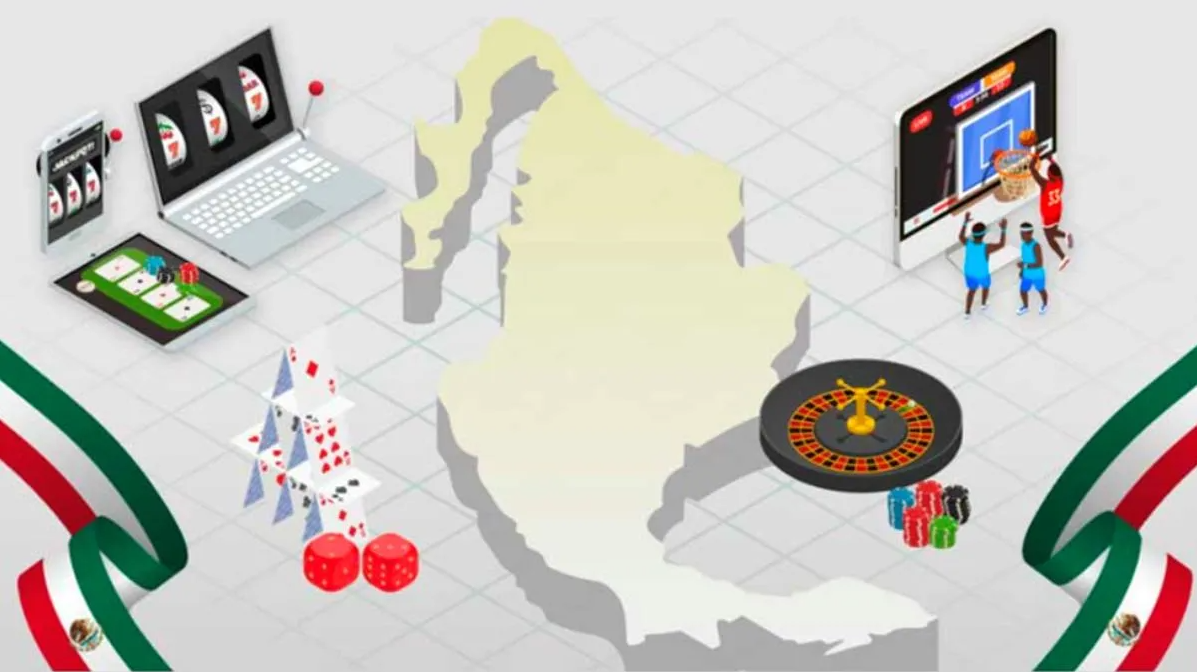
The expert on fiscal law noted that “an increase in tax rates would force legitimate operators to reconsider their business model and place them at a disadvantage in the competition of illegal operators. In addition, the reform proposed an 8 per cent tax on video games with violent content as one of the Government’s broader initiatives to promote so-called “health taxes”. According to the Department of Finance, this tax revenue will be used to finance health care projects. Proponents of reform argue that higher tax rates not only enhance fiscal capacity but also lead to healthier consumption habits. Critics, however, warned that the initiative could have a negative impact on the family economy, particularly on low-income families, but not necessarily on the expected public health benefits. The adoption of the IEPS reform reflects the Mexican Government’s eagerness to expand its sources of income and to strengthen its financial control over fast-growing industries such as Internet gaming. However, this initiative also highlights the continuing contradiction between public policy objectives and market realities.
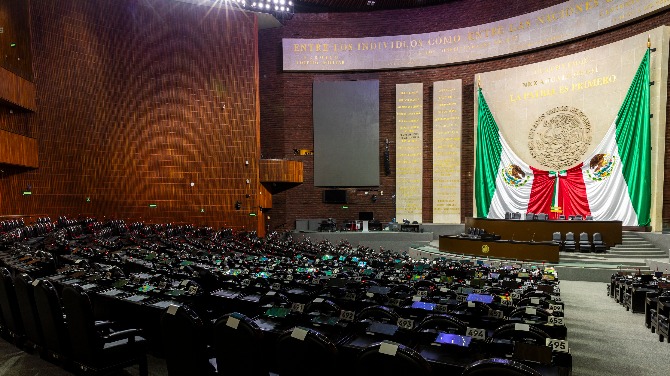
As the bill enters the Senate stage, stakeholders in the play and Internet entertainment industry are seeking clearer guidance on how the new tax system will be implemented and how best to balance fiscal gains, consumer protection and market sustainability. In a country where most online gaming activities are still outside government regulation, the IEPS tax increase may ultimately test whether the authorities, while curbing illegal activities, are also able to avoid stifling innovation and industry.