

According to the latest report of the United States Career Transition Service, Challenger, Gray & Christmas, in the first five months of 2025, some 696,000 lay-offs were announced by various industries in the United States, up 80 per cent from 385,000 in the same period in 2024 and just 65,000 fewer than the total number of lay-offs in 2024. The report notes that rising economic uncertainty, downgrading of consumption and cuts in government funding are major factors in the surge in staff reductions.

The public sector has the largest number of layoffs, influenced mainly by government efficiency sector policies. The number of job cuts in the Federal Government, the termination of contracts and the downsizing of relevant non-profit organizations has risen significantly. Government initiatives to streamline services have led to staff reductions in a number of departments and cooperative organizations that rely on federal contracts. Many of these reductions are directly related to the suspension or reduction of project funding.
Challenge, Andrew Challinger, Senior Vice-President of Gray & Christmas, said: “Taxes, fiscal cuts, consumption expenditures and overall economic pessimism put a great strain on the labor force of enterprises. Enterprises are reducing expenditure, slowing recruitment and issuing layoffs.”

The number of retrenchments in the retail sector reached nearly 76,000, the second largest in all trades, a significant increase of 274 per cent over the same period. Continuing economic pressures, changes in consumer habits and competition from online platforms have combined to lead to general layoffs in the retail sector. Prominent brands such as JCPENNEY, Macy’s and Forever 21 closed down several stores in 2025. Forever 21 in particular faced intense competition from fast-fashion retailers, Shein and Temu, closing hundreds of shops and forcing them out of the market.
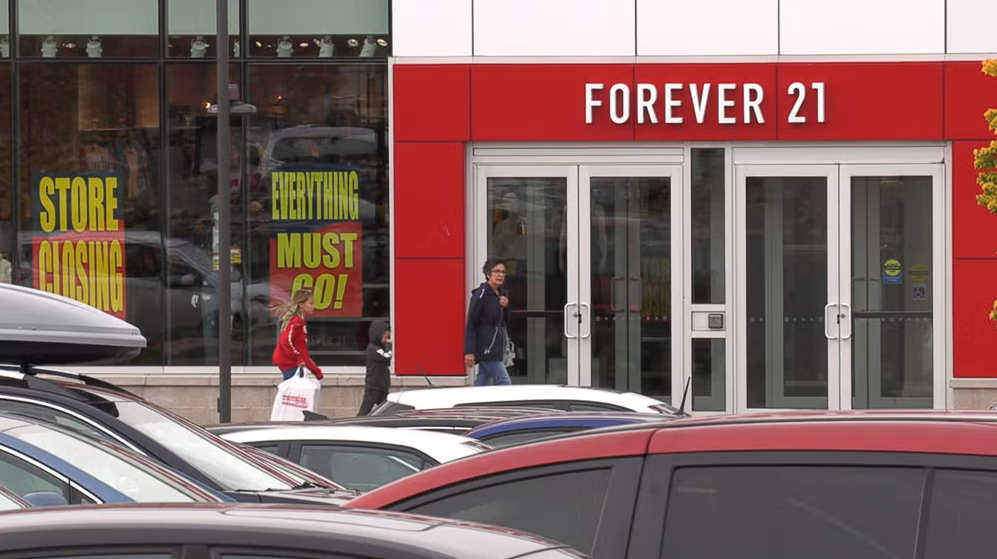
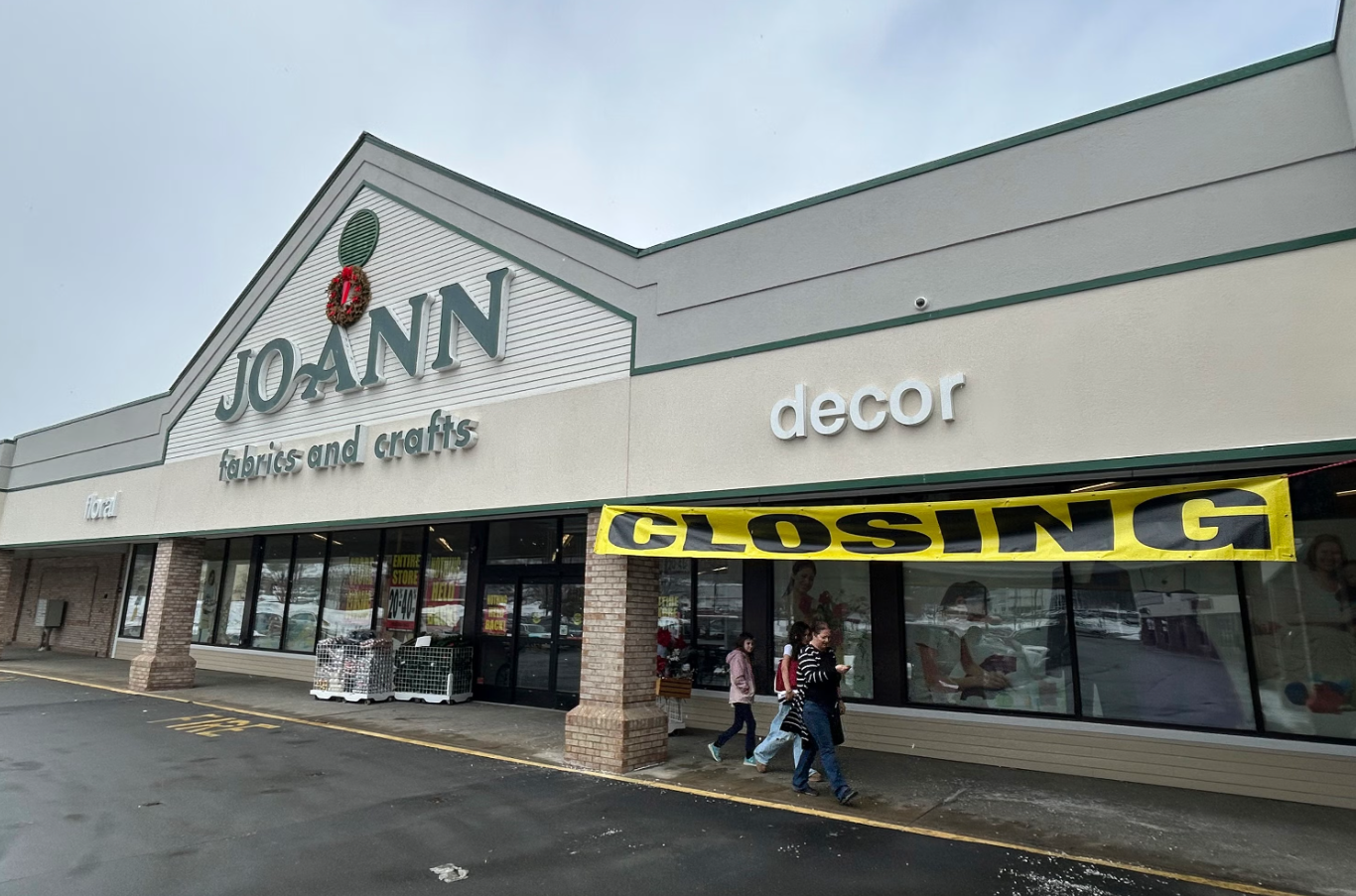
Other major closed brands include Rite Aid, Wallgreens and Party City. Joann, a craft supplier, also confirmed that all remaining shops would be closed after a second application for bankruptcy in less than one year. The company operated over 800 shops in the United States.
In the Challenger report, continued economic and market instability was highlighted as the main contributing factor to the increase in staff reductions. Business spending has shrunk and many employers have imposed recruitment freezes or reduced the number of employees to control operating costs. Concerns about the risks of economic recession and resilience are growing as enterprises and workers face increasingly unpredictable labour markets.
Given that the number of retrenchments has approached the total last year, analysts are closely monitoring whether these trends bode well for a longer-term employment downturn. Industries that are sensitive to consumer spending and public finance are expected to be at risk over the course of the year.